



S1PR1
S1PR1 (sphingosine-1-phosphate receptor 1) is a G protein-coupled receptor that mediates cellular responses to sphingosine-1-phosphate (S1P) and plays essential roles in immune cell trafficking, endothelial homeostasis, vascular maturation, and cell migration.[1][2] Mechanistically, S1PR1 transduces extracellular S1P gradients into intracellular signaling programs that regulate lymphocyte egress from thymic and peripheral lymphoid tissues, thereby controlling immune surveillance and adaptive immune responses.[3][4] In vascular biology, S1PR1 signaling within endothelial cells is required for blood vessel stabilization, vascular smooth muscle cell coverage, and maintenance of endothelial barrier integrity, establishing a central role in vascular development and homeostasis.[1][2][5] Disease relevance of S1PR1 is strongly supported by studies in autoimmune and neuroinflammatory disorders, particularly multiple sclerosis, where dysregulated S1P-S1PR1 signaling contributes to pathological immune cell trafficking and tissue inflammation.[6][7] Compared with related S1P receptor isoforms, S1PR1 is distinguished by its dominant function in lymphocyte egress and vascular maturation, whereas other family members display partially distinct tissue distributions and signaling properties.[3][6] For experimental applications, selective S1PR1 modulators such as fingolimod-derived compounds induce receptor internalization and functional antagonism, reducing lymphocyte recirculation and providing valuable tools for investigating immune migration, endothelial signaling, and autoimmune disease mechanisms.[6][8]
References:
- [1]. Liu Y, et al. Edg-1, the G protein-coupled receptor for sphingosine-1-phosphate, is essential for vascular maturation. J Clin Invest. 2000 Oct;106(8):951-61. [Content Brief]
- [2]. Allende ML, et al. G-protein-coupled receptor S1P1 acts within endothelial cells to regulate vascular maturation. Blood. 2003 Nov 15;102(10):3665-7. [Content Brief]
- [3]. Matloubian M, et al. Lymphocyte egress from thymus and peripheral lymphoid organs is dependent on S1P receptor 1. Nature. 2004 Jan 22;427(6972):355-60. [Content Brief]
- [4]. Allende ML, et al. Expression of the sphingosine 1-phosphate receptor, S1P1, on T-cells controls thymic emigration. J Biol Chem. 2004 Apr 9;279(15):15396-401. [Content Brief]
- [5]. Prehoda KE. Microtubules in distress release arrest. Dev Cell. 2012 Aug 14;23(2):233-4. doi: 10.1016/j.devcel.2012.07.005. PMID: 22898771. et al. Microtubules in distress release arrest. Dev Cell. 2012 Aug 14;23(2):233-4. [Content Brief]
- [6]. Bravo GÁ, et al. Sphingosine-1-Phosphate (S1P) and S1P Signaling Pathway Modulators, from Current Insights to Future Perspectives. Cells. 2022 Jun 29;11(13):2058. [Content Brief]
- [7]. Ranganathan S, et al. Microbial 1-butanol production: Identification of non-native production routes and in silico engineering interventions. Biotechnol J. 2010 Jul;5(7):716-25. [Content Brief]
- [8]. Pan S, et al. A monoselective sphingosine-1-phosphate receptor-1 agonist prevents allograft rejection in a stringent rat heart transplantation model. Chem Biol. 2006 Nov;13(11):1227-34. [Content Brief]
-
S1PR1 Related Products (32)
Related Products (32)

- 1
- 2
-
Siponimod
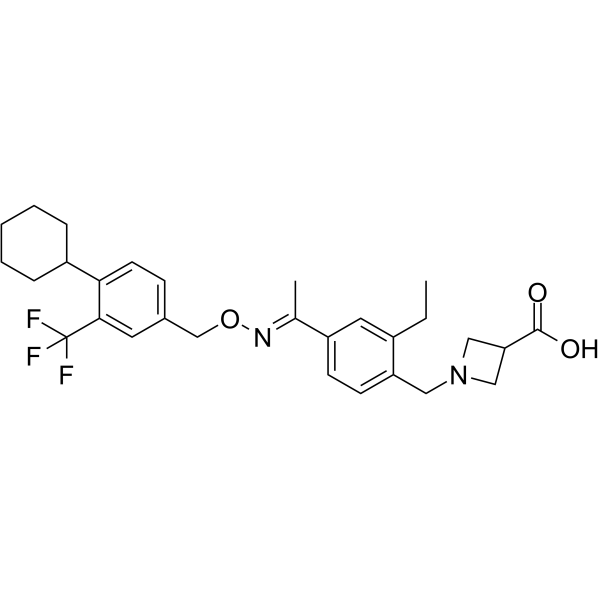 0 ImagesSynonyms: BAF-312Siponimod (BAF-312) is an orally active, blood-brain barrier penetrant dual agonist of S1P1/S1P5, with EC50 values of 0.39 nM and 0.98 nM, respectively. Siponimod induces S1P1 internalization, activates GIRK channels, inhibits lymphocyte egress, reduces peripheral lymphocyte counts, triggers transient bradycardia, prevents synaptic neurodegeneration, promotes remyelination, alleviates demyelination, and prevents the loss of GABAergic interneurons. Siponimod can be used in research related to multiple sclerosis.
-
Ozanimod
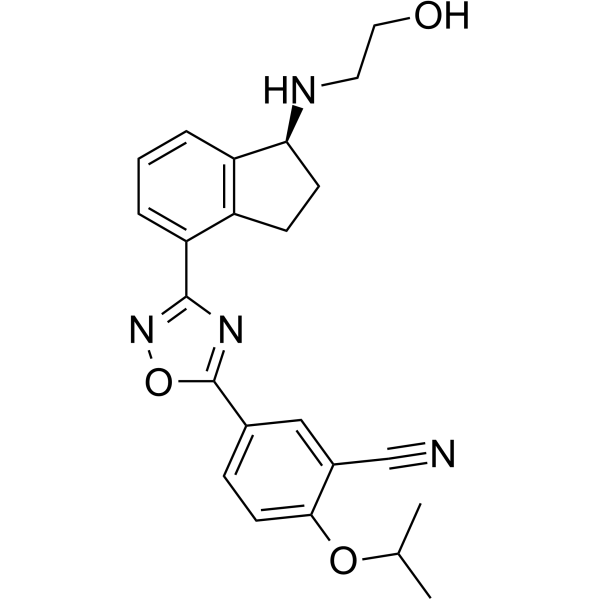 0 ImagesSynonyms: RPC-1063Ozanimod (RPC-1063) is a CNS-penetrant sphingosine 1-phosphate (S1P) receptor modulator that binds with high affinity selectively to S1P receptor subtypes 1 (S1P1) and 5 (S1P5). Ozanimod has modulate effect for hS1P1 and hS1P5 receptor with EC50s of 1.03 nM and 8.6 nM, respectively. Ozanimod can be used for the research of relapsing multiple sclerosis (MS).
-
SEW2871
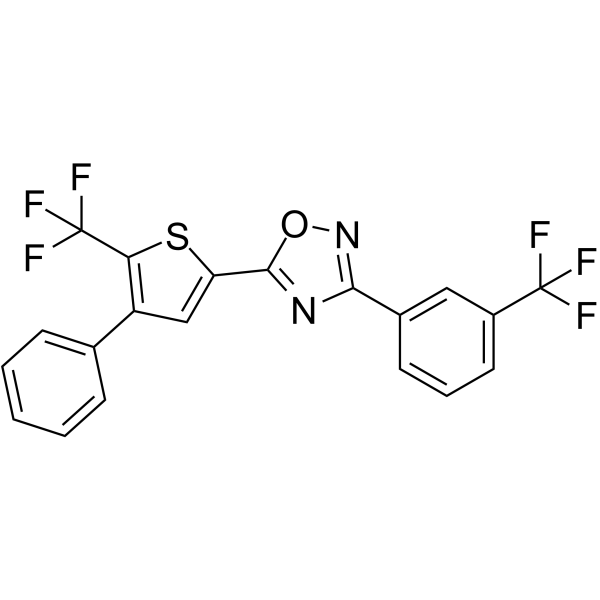 0 ImagesSEW2871 is an orally active, potent, highly selective S1P1 (sphingosine-1-phosphate type 1 receptor) agonist, with an EC50 of 13.8 nM. SEW2871 activates ERK, Akt, and Rac signaling pathways and induces S1P1 internalization and recycling. SEW2871 reduces lymphocyte numbers in blood. SEW2871 can be used for the research of diabetes, Alzheimer’s disease, liver fibrosis, and inflammatory responses.
-
SAR247799
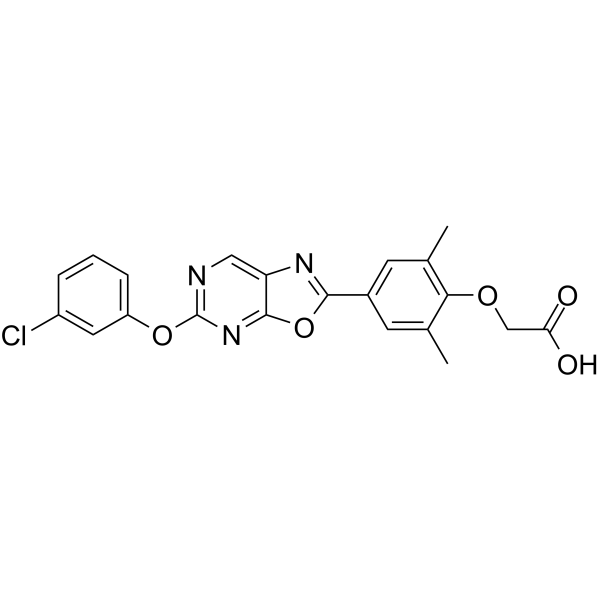 0 ImagesSynonyms: S1P1 agonist 3SAR247799 (S1P1 agonist 3) is an oral activity, selective G-protein-biased sphingosine-1 phosphate receptor-1 (S1P1 ) agonist, with EC50s rang from 12.6 to 493 nM in S1P1-overexpressing cells and HUVECs. SAR247799 can be used for the research of endothelial protection, including type-2 diabetes, metabolic syndrome.
-
Ponesimod
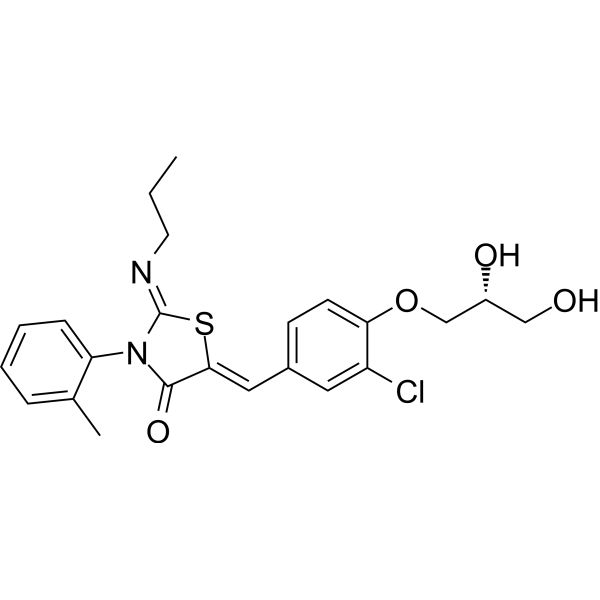 0 ImagesSynonyms: ACT-128800Ponesimod (ACT-128800) is a potent, selective and orally active agonist of S1P1, with an IC50 of 6 nM in a radioligand binding assay. Ponesimod activates S1P1-mediated signal transduction with high potency (EC50=5.7 nM). Ponesimod can protect against lymphocyte-mediated tissue inflammation.
-
PF-462991
 0 ImagesCat. No.: HY-14433CAS No.: 1149727-90-1Synonyms: PF-991PF-462991 (PF-991) is a S1P1 receptor agonist with an EC50 of 1.9 nM. PF-462991 functionally activates this receptor via the β-arrestin pathway. PF-462991 is applicable to research related to rheumatoid arthritis.
-
Vonifimod
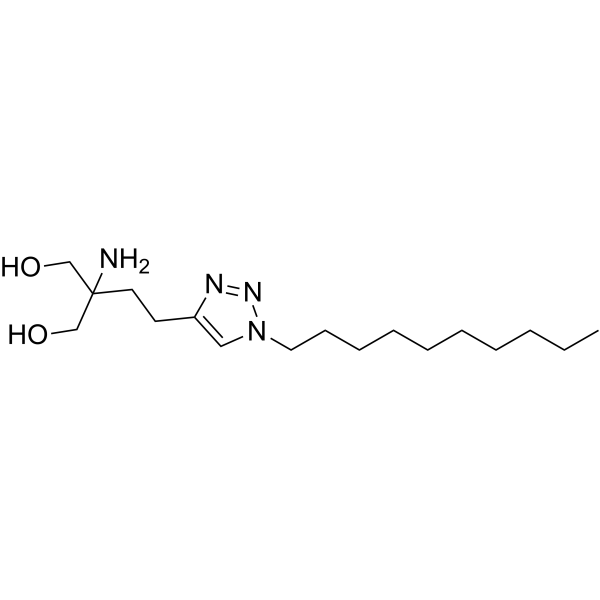 0 ImagesCat. No.: HY-148805CAS No.: 2118903-18-5Synonyms: SLB736 free acid
-
TYY-31
 0 ImagesCat. No.: HY-183578TYY-31 is an orally active, selective S1PR1 agonist with an EC50 of 1.13 pM. TYY-31 promotes the phosphorylation of ERK1/2. TYY-31 exerts anti-inflammatory and immunosuppressive effects, ameliorates DSS-induced colitis in mice, and reduces peripheral blood lymphocyte counts in mice in a dose-dependent manner. TYY-31 can be used for the research of ulcerative colitis.
-
CYM-5478
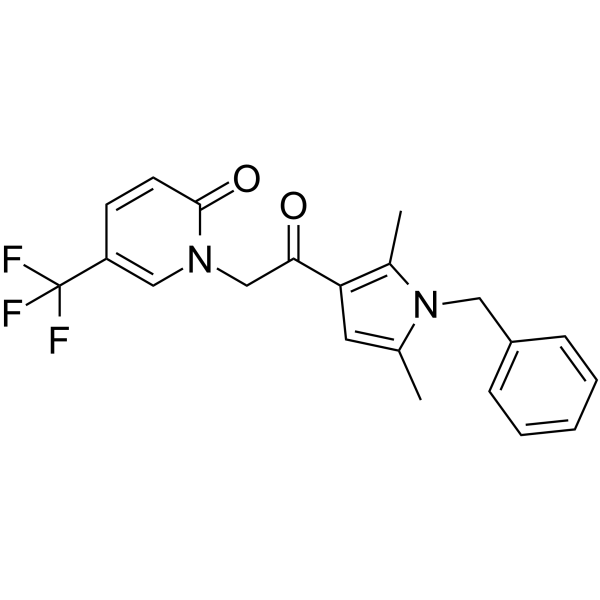 0 ImagesCYM-5478 is a potent and highly selective S1P2 agonist with an EC50 of 119 nM in a TGFα-shedding assay. CYM-5478 protects neural-derived cell lines against Cisplatin toxicity.
-
Ozanimod hydrochloride
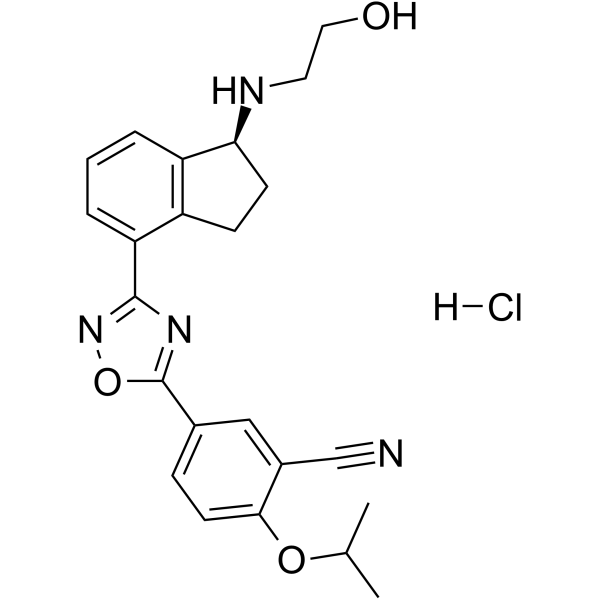 0 ImagesSynonyms: RPC-1063 hydrochlorideOzanimod (RPC-1063) hydrochloride, a sphingosine 1-phosphate (S1P) receptor modulator that binds with high affinity selectively to S1P receptor subtypes 1 (S1P1) and 5 (S1P5). Ozanimod hydrochloride has modulate effect for hS1P1 and hS1P5 receptor with EC50s of 1.03 nM and 8.6 nM, respectively. Ozanimod hydrochloride can be used for the research of relapsing multiple sclerosis (MS) .
-
Cenerimod
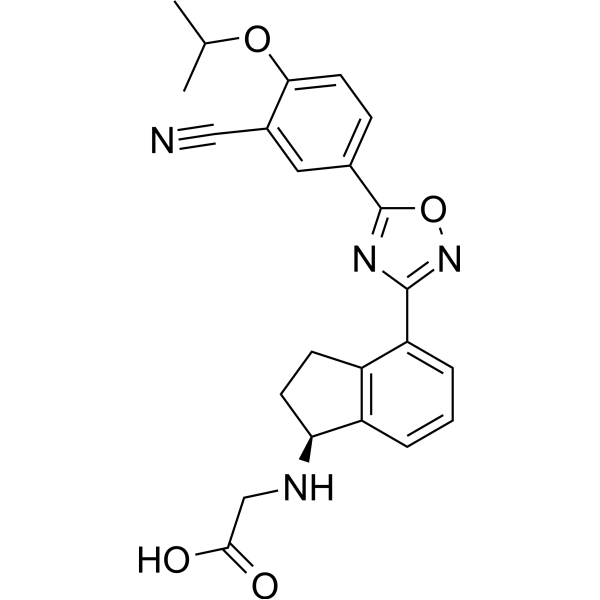
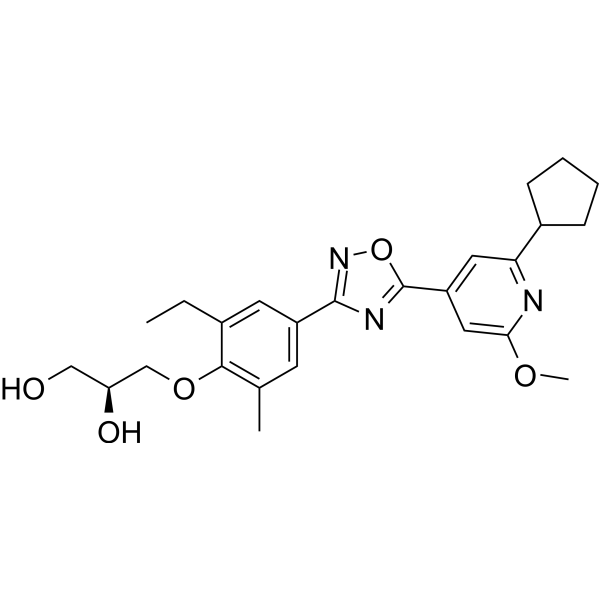 0 ImagesSynonyms: ACT-334441Cenerimod (ACT-334441) is a potent, selective and orally active S1P1 receptor modulator, with an EC50 of 1 nM. Cenerimod shows more than 36 fold selctivity for hS1P1 over hS1P2, hS1P3, hS1P4, and hS1P5 receptor subtypes (EC50s=>10000, 228, 2134, and 36 nM, respectively). Cenerimod can attenuate murine experimental autoimmune encephalomyelitis (EAE) and murine sclerodermatous.
-
S1PR5-IN-1
 0 ImagesS1PR5-IN-1 (Compound 7a) is a highly selective S1PR5 antagonist and orally bioavailable inhibitor with a human S1PR5 IC50 of 85.4 nM and human S1PR5 Kd of 2.173 nM.S1PR5-IN-1 binds to S1PR5 and inhibits natural killer cell migration toward sphingosine-1-phosphate.S1PR5-IN-1 can be used for the research of multiple sclerosis.
-
KSI-6666
 0 ImagesCat. No.: HY-158417CAS No.: 1807873-14-8
-
Siponimod hemifumarate
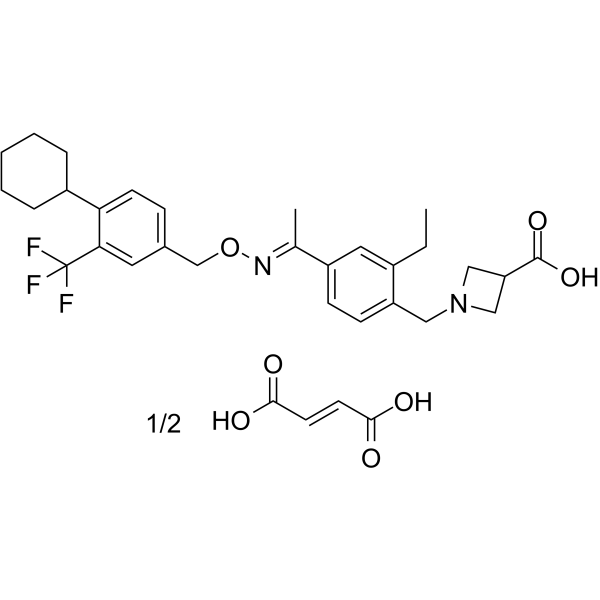 0 ImagesSynonyms: BAF-312 hemifumarateSiponimod (BAF-312) hemifumarate is an orally active, blood-brain barrier penetrant dual agonist of S1P1/S1P5, with EC50 values of 0.39 nM and 0.98 nM, respectively. Siponimod hemifumarate induces S1P1 internalization, activates GIRK channels, inhibits lymphocyte egress, reduces peripheral lymphocyte counts, triggers transient bradycardia, prevents synaptic neurodegeneration, promotes remyelination, alleviates demyelination, and prevents the loss of GABAergic interneurons. Siponimod hemifumarate can be used in research related to multiple sclerosis.
-
RP101075
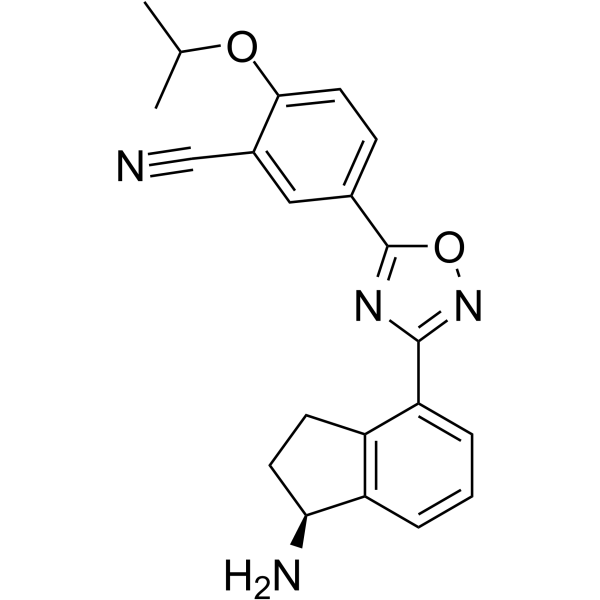 0 ImagesRP101075, an active metabolite of Ozanimod, is a potent, orally active S1PR (sphingosine-1-phosphate receptor 1) agonist, with an EC50 of 0.27 nM. RP101075 displays >100-fold selectivity over S1PR5 (EC50=5.9 nM) and >10000-fold over S1PR 2, 3, and 4. RP101075 displays superior cardiovascular safety profile.
-
IMMH001
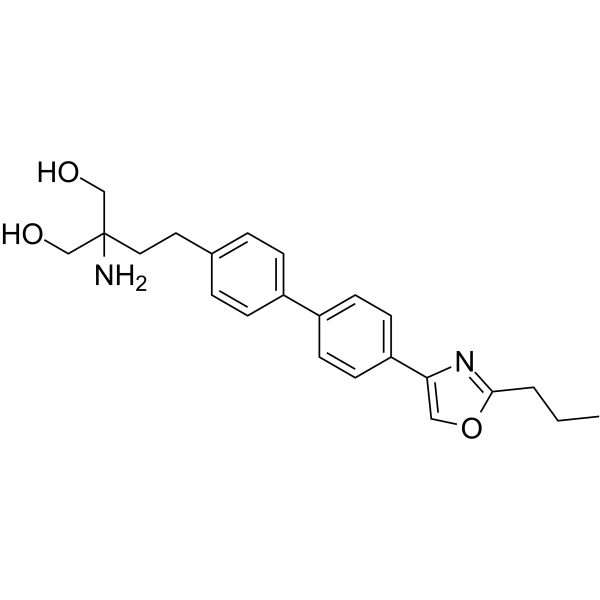 0 ImagesIMMH001, also called SYL930, is an orally active, potent and selective S1P1 (sphingosine-1-phosphate receptor 1) agonist. IMMH001 decreased levels of both chemokines and proinflammatory cytokines, including IL-1β, IL-5, IL-18, IP10, CCL3, and CCL5. IMMH001 can be used for rheumatoid arthritis (RA) research.
-
Mocravimod
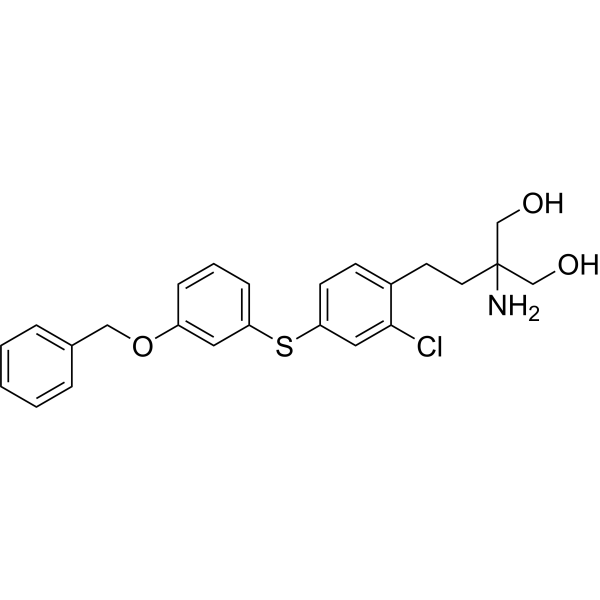 0 ImagesSynonyms: KRP-203 free baseMocravimod (KRP-203 free base) is a sphingosine-1-phosphate receptor (S1PR) modulator that blocks the signal required by T cells to egress from lymph nodes and other lymphoid organs. Mocravimod preferentially binds to S1PR1 over S1PR2 and S1PR3 in cardiomyocytes. Mocravimod significantly lowered the concentration of reactive oxygen species (ROS), prevented mitochondrial permeability transition pore opening, boosted mitochondrial membrane potential (MMP), and increased phosphorylation of AKT, EKR, GSK-3β, JAK2, and STAT3. Mocravimod retains T cell effector function. Mocravimod can be used for the study of acute myelogenous leukemia, diabetes and Myocardial Ischemia-Reperfusion Injury (MIRI).
-
L-threo Lysosphingomyelin (d18:1)
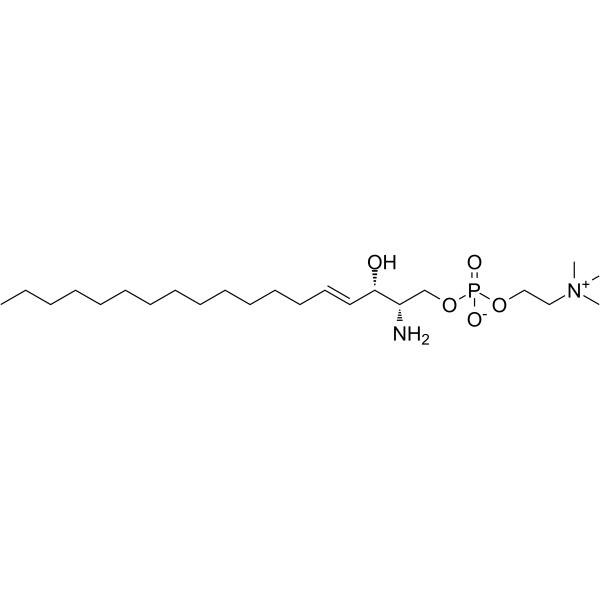 0 ImagesSynonyms: L-threo-SphingosylphosphorylcholineL-threo Lysosphingomyelin (d18:1) (L-threo-Sphingosylphosphorylcholine) is an endogenous bioactive sphingolipid. L-threo Lysosphingomyelin (d18:1) is a potent S1P receptor agonist with EC50s of 19.3, 131.8, and 313.3 nM for hS1P1, hS1P3, and hS1P2, respectively.
-
Vibozilimod
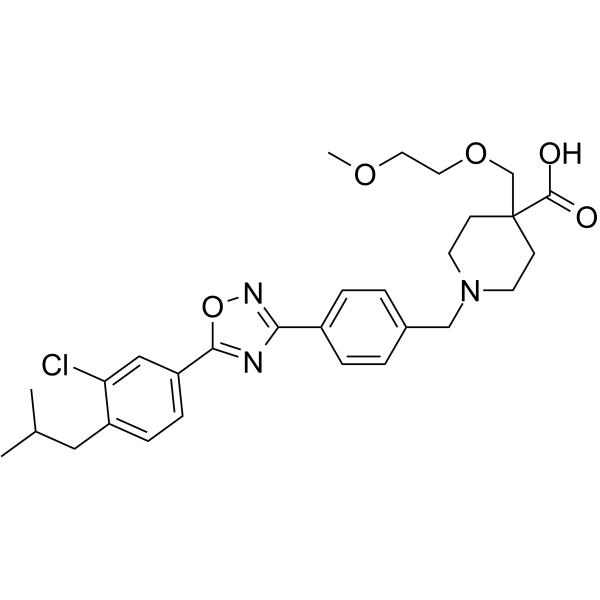 0 ImagesSynonyms: SCD-044Vibozilimod (SCD-044) is an oral S1P1/EDG1 receptor-selective agonist with an EC50 of <1 nM. Vibozilimod promotes S1P1/EDG1 receptor internalization, inhibits lymphocyte migration, induces lymphopenia and reduces lymphocyte counts. Vibozilimod is used for the research of inflammatory diseases such as psoriasis and atopic dermatitis.
- 1
- 2



